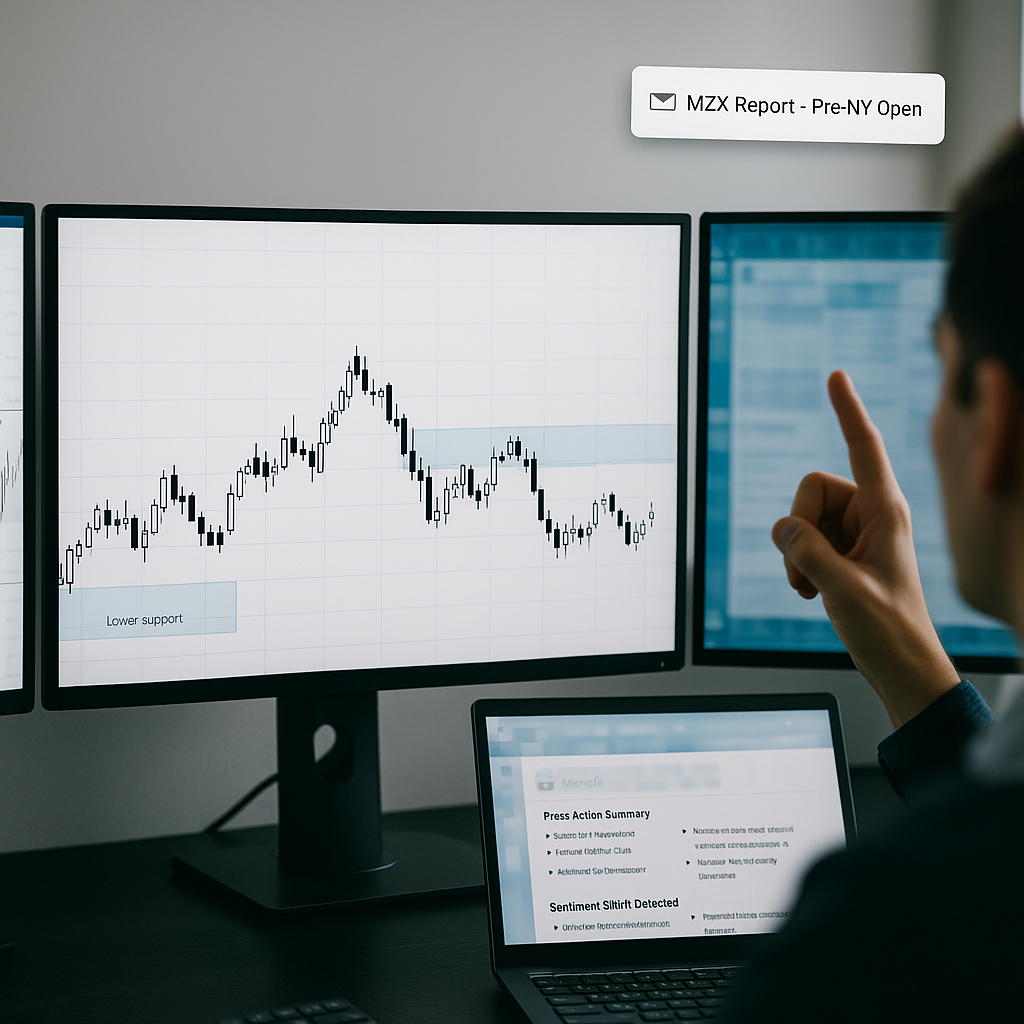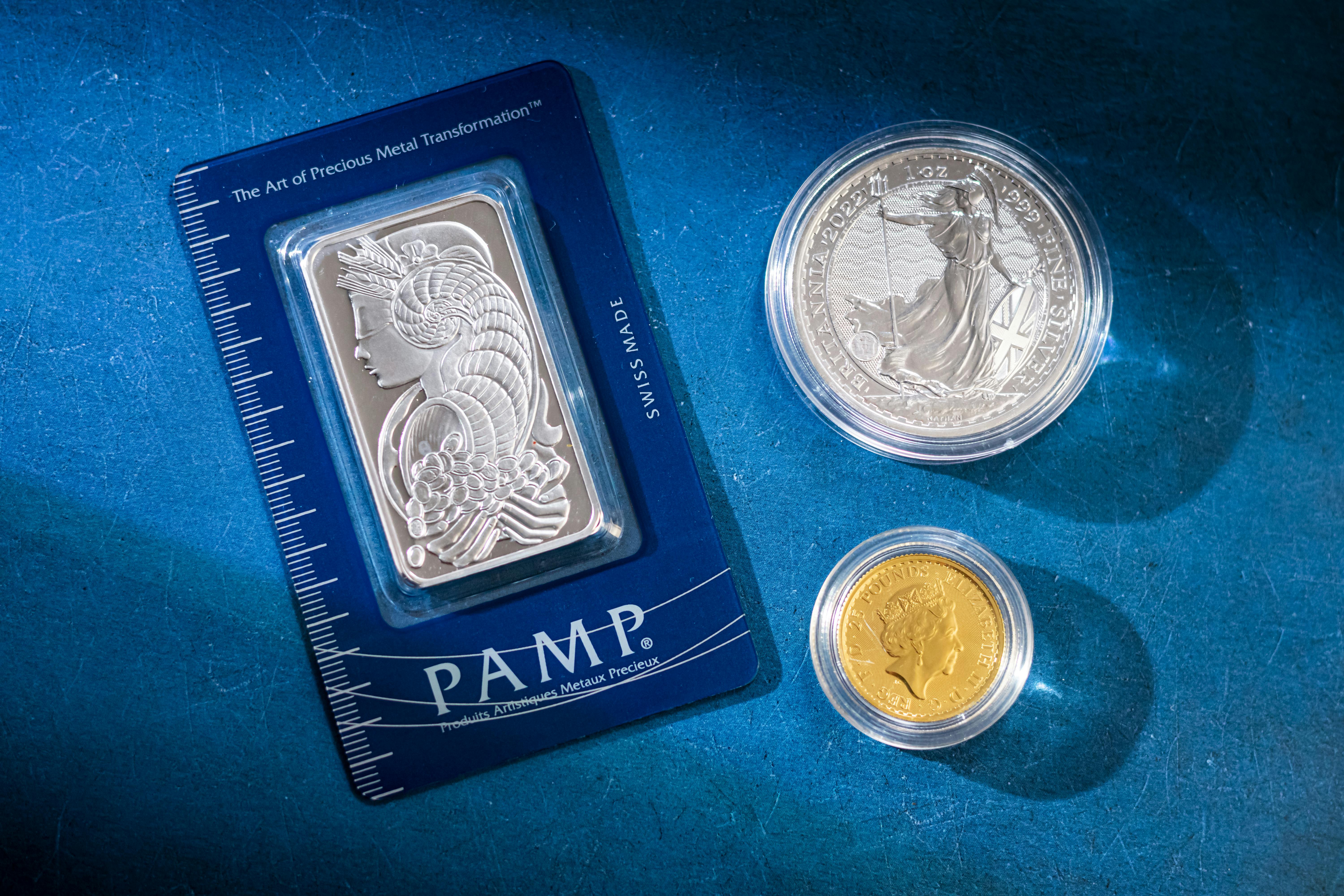
Markets just got hit with one of those violent reset days that leaves everyone staring at charts wondering what actually changed.
Gold dropped hard.
Silver got smashed.
Crypto slid.
Equities wobbled.
Trillions were wiped across asset classes in a very short window. And the surface explanation was simple: risk came off.
But the real story runs deeper and it starts with a major shift in how markets think central banks will behave from here.
What Changed in Markets This Week?
The selloff accelerated as markets rapidly repriced the odds of Kevin Warsh becoming the next leader of the Federal Reserve.
That matters more than it sounds.
Warsh has long criticised post-2008 and post-2020 quantitative easing. He has argued that massive balance sheet expansion inflated asset prices and distorted markets. His framework is different from what traders have grown used to.
Markets are now facing the possibility of:
• Lower rates
• But tighter balance sheet discipline
• Less guaranteed liquidity support for asset prices
That combination is uncomfortable. It hits leveraged positions, high-valuation equities, and liquidity-dependent assets first.
That explains the broad cross-asset volatility.
But it doesn’t explain everything, especially what’s happening in silver.
Silver Is Trading at Two Prices at the Same Time
This is the part most people are missing.
Silver right now is not behaving like one unified global market. It is behaving like two separate pricing systems.
In the West, silver’s benchmark price is largely determined through futures trading on COMEX.
In China, physical silver is clearing at significantly higher prices through spot transactions and local exchanges like the Shanghai Futures Exchange.
Same metal. Different price.
Why the COMEX Price Can Fall While Physical Stays Tight
The US pricing mechanism is dominated by futures contracts.
Futures markets are financial markets. They allow traders to express views, hedge risk, and manage exposure without necessarily moving physical metal. The majority of volume represents contracts, not bars being delivered.
That means large waves of selling can push the quoted price down even if real-world supply hasn’t changed. What’s being sold is exposure, not inventory.
So the COMEX price often reflects:
• Positioning
• Leverage
• Liquidity flows
• Risk sentiment
It does not always reflect immediate physical tightness.
Why China’s Price Reflects Physical Stress
China’s silver market is more sensitive to real delivery demand.
When spot prices in Shanghai trade at large premiums, it signals:
• Buyers need metal now
• Supply chains are tighter locally
• Physical availability matters more than paper hedging
Physical markets don’t respond to leverage the same way futures do. They respond to whether metal can be sourced, shipped, and delivered.
So when the physical market clears much higher than the paper benchmark, it’s a sign the underlying supply-demand balance is tighter than the screen price suggests.
This Is Where the “Manipulation” Talk Comes From
Here’s the clean way to understand it.
If a highly leveraged paper market sets the global reference price while physical markets consistently clear at higher levels, then the reference price is incomplete.
That doesn’t require a conspiracy theory to matter. It’s a function of market structure.
Financial markets price sentiment and positioning.
Physical markets price urgency and availability.
When those two disagree sharply, the gap itself becomes the signal.
Eventually, one of two things happens:
• Physical supply loosens and premiums fall
• Or the financial benchmark has to reprice higher
But large divergences rarely stay stable for long.
India Adds a Third Layer
India often trades silver at its own premium due to:
• Import duties
• Strong local demand
• Dealer markups when supply tightens
So now you effectively have:
- A paper-driven global benchmark
- A China physical clearing price
- India premiums layered on top
That fragmentation tells you the market is under stress in the real economy, not just in charts.
Why Bitcoin and Risk Assets Are Struggling at the Same Time
Crypto and high-growth equities have thrived in environments where liquidity expands rapidly.
If markets are now adjusting to a world where:
• Rate cuts can happen
• But balance sheets don’t explode higher
Then liquidity-sensitive assets naturally feel pressure.
Hard assets like gold and silver operate under a different logic. They are tied to:
• Supply constraints
• Industrial demand (silver)
• Monetary trust and reserve dynamics (gold)
So you end up with a strange environment where:
Financial markets are de-leveraging
Physical commodity markets are showing tightness.
That tension creates volatility.
The Other Layer Markets Can’t Ignore: Geopolitics Is Heating Up
Even with sharp red days, the bigger backdrop for metals hasn’t gone away.
If anything, it’s getting louder.
We’re heading into a year where geopolitical tension isn’t simmering it’s escalating. Trade disputes are back in focus, alliances are being tested, and political pressure points are stacking up across regions.
And markets don’t wait for conflict to formally begin. They start pricing instability early.
That’s one reason gold and silver continue to attract underlying demand even when they get hit in broader liquidation waves. Short-term selling can happen because of positioning, liquidity, or margin pressure. But the structural bid tied to geopolitical risk doesn’t just disappear because of one red session.