


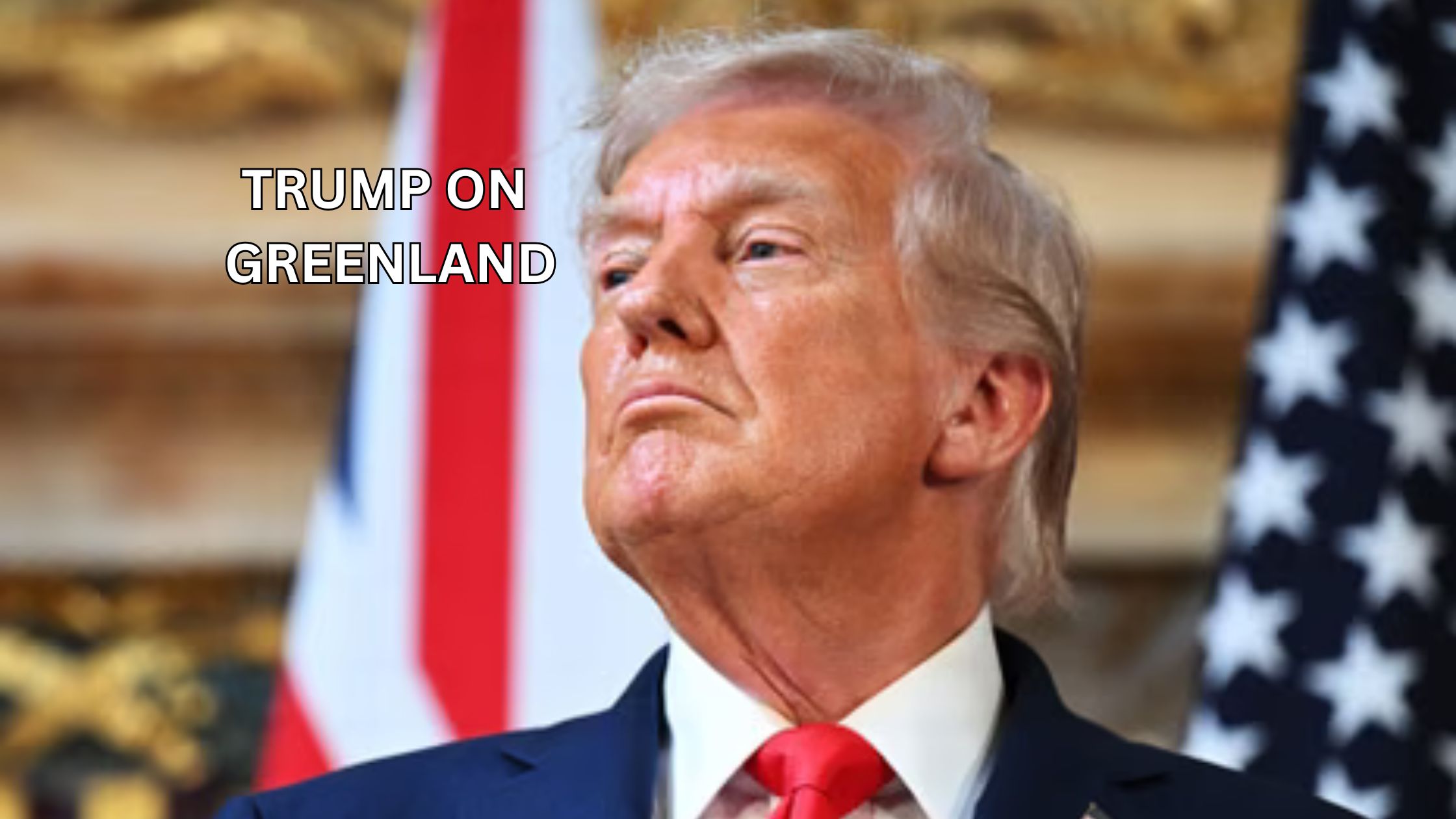
If you glanced at headlines over the weekend, you probably saw it.
Trump is back on the trade front.
He’s announced a new round of proposed tariffs on European imports, and while nothing has actually been implemented yet, FX has already started paying attention.
That part matters.
Here’s what was said.
Eight countries were named outright: Denmark, Sweden, Norway, Finland, France, Germany, the Netherlands, and the UK. The proposal is a 10% tariff initially, with a clear warning that it could rise to 25% from June 1 if negotiations around Greenland don’t move forward.
No votes. No legislation. Just a timeline and a condition.
And that’s usually enough for currencies.
A quick thing worth noting. Denmark isn’t just another European name on the list. Greenland sits under the Kingdom of Denmark, which is why this starts there. Pulling in the Nordics widens the pressure, and adding Germany, France, the Netherlands, and the UK turns it into a regional issue rather than a one-off dispute.
From a market point of view, that shift is important.
FX doesn’t wait around for tariffs to actually show up in trade data. It reacts to uncertainty first. Policy risk, capital flow assumptions, and headline sensitivity all get repriced long before anything becomes “real.”
That’s why currencies tend to move ahead of equities or macro releases in situations like this.
You can already see it in positioning behaviour. Europe-linked FX isn’t being chased. It’s being handled carefully.
So what does that mean as the week gets going?
First, European currencies start the week with a headline overhang. EUR, GBP, and the Nordic crosses are more sensitive than usual, even if nothing new is said on Monday. Traders know the story now exists, and that alone changes behaviour.
Second, the USD is getting support, but not for heroic reasons. This isn’t a growth story. It’s a default safety move. When trade risk creeps back into the picture, liquidity wins first, and the dollar benefits from that in the short term.
Third, volatility risk is higher than it looks on the surface. One line from a European official. One clarification. One walk-back. Any of those can move price early in the week, especially with thinner liquidity at the open.
And that’s before we even get to the scheduled stuff.
This week is already busy on the FX calendar.
UK CPI is coming up, which matters more than usual with sterling already sitting under external pressure. A surprise either way could stretch GBP moves beyond what the data alone would normally justify.
In the US, PCE inflation is the big one. It’s the Fed’s preferred gauge, and it’ll shape expectations around how much room policymakers really have. A firm print keeps the USD supported. A softer one tests whether the dollar’s strength is just defensive.
Japan is also in focus with a Bank of Japan decision. JPY tends to tell the truth when risk sentiment shifts, so that reaction will be worth watching, especially with geopolitical noise back in play.
And early in the week, China’s growth data feeds into AUD and NZD positioning. If those numbers disappoint, it adds another layer of caution to an already careful market.
The key thing tying all of this together is overlap.
Trade risk. Inflation data. Central bank signals. They’re all landing in the same window. When that happens, FX tends to move faster, not cleaner.
This isn’t about whether tariffs are applied tomorrow. It’s about the fact that trade policy is back on the table as a negotiating tool. Markets remember how that movie goes, and they start adjusting early.
For now, that means lower conviction in Europe, higher sensitivity to headlines, and a market that’s happy to react first and ask questions later.
We’ll see how it develops.
As always, stay patient early in the week. Let the market show its hand before forcing a view.


