Worlds economic

Middle East: Implications for Global Markets and Economic Future

Calendar icon
Clock icon
Clock icon
Credit to Anna Yashina

In the ever-volatile landscape of geopolitics, recent events in the Middle East have sent shockwaves through global markets and raised concerns about the economic future. The exchange of hostilities between Israel and Iran has escalated tensions to new heights, with both countries engaging in retaliatory strikes that threaten to widen the conflict. As the situation unfolds, it's imperative to analyze the implications this has on the markets and the broader economic outlook.

The latest chapter in this unfolding saga began with Israel's retaliatory strike on targets in western Iran, just days after Tehran's rocket and drone attacks. The exchange of fire has intensified fears of a wider conflict engulfing the region, prompting swift reactions from global markets. Reports of explosions in Iran's central city of Isfahan, home to vital military installations, further underscore the gravity of the situation.

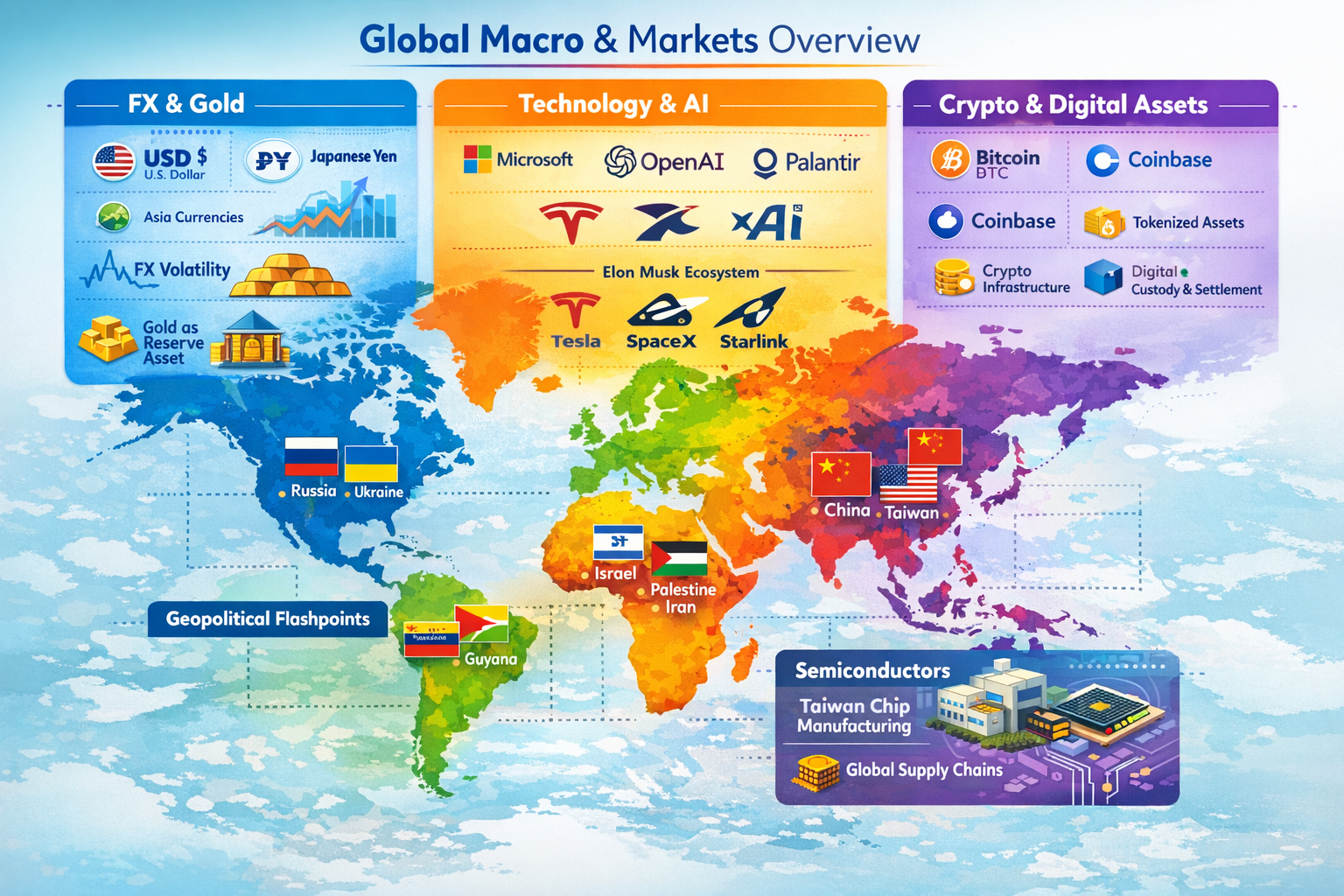
Market reactions were swift and pronounced, reflecting the heightened uncertainty and risk aversion among investors. Brent crude surged above $90 a barrel, driven by fears of supply disruptions in the oil-rich region. Gold prices soared past $2,400 an ounce as investors sought safe-haven assets amidst geopolitical turmoil. The yield on 10-year Treasuries plummeted, signaling a flight to safety, while the dollar strengthened against major currencies.

These market movements underscore the interconnectedness of geopolitics and global finance. The Middle East remains a critical hub for oil production, and any disruption to supply chains can have far-reaching consequences for the global economy. Heightened tensions in the region raise concerns about the stability of energy markets and the potential for price spikes that could dampen economic growth worldwide.

Moreover, the specter of conflict in the Middle East adds another layer of uncertainty to an already fragile global economic recovery. Supply chain disruptions, increased geopolitical risk premiums, and heightened investor anxiety could weigh on business confidence and investment decisions. In an interconnected world, events in one region can reverberate across continents, affecting trade flows, capital markets, and consumer sentiment.

The implications of escalating tensions in the Middle East extend beyond immediate market reactions. Geopolitical instability can undermine long-term economic prospects by deterring investment, disrupting trade, and exacerbating social and political unrest. In an era of globalization, geopolitical risk has become a key consideration for businesses and policymakers navigating an increasingly complex and interconnected world.

Against this backdrop, policymakers face the daunting challenge of managing geopolitical risks while fostering sustainable economic growth. The Middle East remains a geopolitical hotspot, where competing interests and longstanding rivalries fuel conflict and instability. Finding diplomatic solutions to regional disputes and promoting dialogue among stakeholders is essential to reducing tensions and mitigating the risk of escalation.

From a broader perspective, the events unfolding in the Middle East underscore the need for diversified and resilient economic strategies. Dependence on volatile regions for essential commodities such as oil highlights the vulnerability of global supply chains to geopolitical shocks. Diversification efforts, renewable energy investments, and diplomatic initiatives aimed at resolving regional conflicts can help reduce reliance on fossil fuels and enhance energy security.

In conclusion, the escalation of tensions in the Middle East has sent shockwaves through global markets and raised concerns about the economic future. As geopolitical risks mount, investors, businesses, and policymakers must remain vigilant and adapt to an increasingly uncertain and volatile geopolitical landscape. Diplomatic efforts to de-escalate tensions and promote stability are essential to safeguarding global prosperity and fostering a more resilient economic future.
You might also like

Commodities
XAU/USD Nears Key Resistance: Will the Bull Run Continue?

Gold’s Surge: What's Driving the Rally and What’s Next? As we enter the new week, gold (XAU/USD) has surged past the $2,700 mark, continuing its bullish trend that has captured the attention of investors globally. Several key factors are driving this movement, including intensifying geopolitical tensions and central bank actions. In this blog, we’ll dive into why gold is experiencing this strong uptrend, what’s been happening so far this week, and what we can expect in the days ahead. What’s Driving Gold Higher? Gold is often viewed as a "safe-haven" asset, a go-to investment when markets face uncertainty. When geopolitical tensions rise or when there's fear in the global markets, investors flock to gold as a hedge against risk. Here’s a breakdown of the primary factors pushing gold upward: 1. Middle East Conflict The conflict in the Middle East has reached a boiling point, with Israel intensifying its bombardment of Beirut and a potential retaliatory attack on Iran looming. These tensions are driving investors toward gold as they seek protection from the risks and volatility in other markets. The potential for further escalation, particularly with the possibility of military action between Israel and Iran, is amplifying fears and boosting the safe-haven demand for gold. 2. People’s Bank of China (PBoC) Rate Cuts Alongside geopolitical tensions, the People’s Bank of China recently moved to cut its one-year and five-year prime loan rates. These cuts are aimed at easing credit conditions and supporting China's economic growth. From a gold market perspective, lower interest rates make non-yielding assets like gold more attractive. As Chinese investors and private buyers represent the largest market for gold globally, this policy shift is adding further momentum to gold's price rally. 3. Inflation Concerns and Central Bank Policies Globally, inflation remains a significant concern, with central banks like the U.S. Federal Reserve still navigating how to balance inflation control without stifling economic growth. High inflation typically supports gold prices as investors turn to the metal as a hedge against rising prices. Additionally, if the Federal Reserve signals a potential pause or slowdown in rate hikes, it would further support gold’s uptrend since higher interest rates often weigh on gold by increasing the appeal of interest-bearing assets like bonds. What’s Happening This Week? Gold started the week with a solid upward push, crossing into the $2,730 range during the European session on Monday, up half a percent after a more than 1% gain on Friday. This strong momentum is a continuation of last week’s performance, fueled by rising geopolitical tensions and supportive central bank actions. At the core of this movement is increased demand for safe-haven assets. Israel’s bombing campaign and the potential for escalation into a broader regional conflict have kept gold in a bullish state. On the technical side, the metal breached the key $2,700 level, a major psychological threshold, and continues to push toward $2,750. However, technical indicators such as the Relative Strength Index (RSI) are signaling that the market is overbought. An overbought RSI suggests that the asset may be due for a short-term pullback, meaning gold traders should be cautious about further long positions without a deeper correction. What Could Happen Next? As the week progresses, gold's path will likely be influenced by two key factors: geopolitical developments in the Middle East and any additional central bank policy moves. 1. Geopolitical Tensions The situation in the Middle East remains volatile, and any escalation—such as a retaliatory strike by Israel on Iran—could drive gold prices even higher. Investors will closely watch for updates from the region, as any further destabilization could add more fuel to the safe-haven demand. 2. Central Bank Policies The People’s Bank of China has already set a supportive tone for gold, and if other central banks, such as the U.S. Federal Reserve, show signs of pausing interest rate hikes, it could extend gold’s rally. Additionally, global inflation data and economic reports throughout the week may provide more insight into how central banks will respond. 3. Technical Pullbacks While the broader trend remains bullish, a technical correction may be on the horizon due to the overbought RSI. If this correction occurs, we could see a pullback toward the $2,700 support level before the broader uptrend resumes. However, any correction is likely to be short-lived, with strong underlying fundamentals pushing gold higher in the medium to long term. Conclusion Gold’s recent rally has been driven by a mix of safe-haven demand due to geopolitical risks and supportive monetary policies. As tensions in the Middle East remain high and central banks, especially the PBoC, take measures to stimulate their economies, gold continues to shine as a preferred asset for investors seeking stability. This week could see further gains, especially if tensions escalate or if central banks signal additional support. However, with technical indicators suggesting a possible pullback, traders should remain cautious and watch for short-term corrections before the overall bullish trend likely continues.

Calendar icon