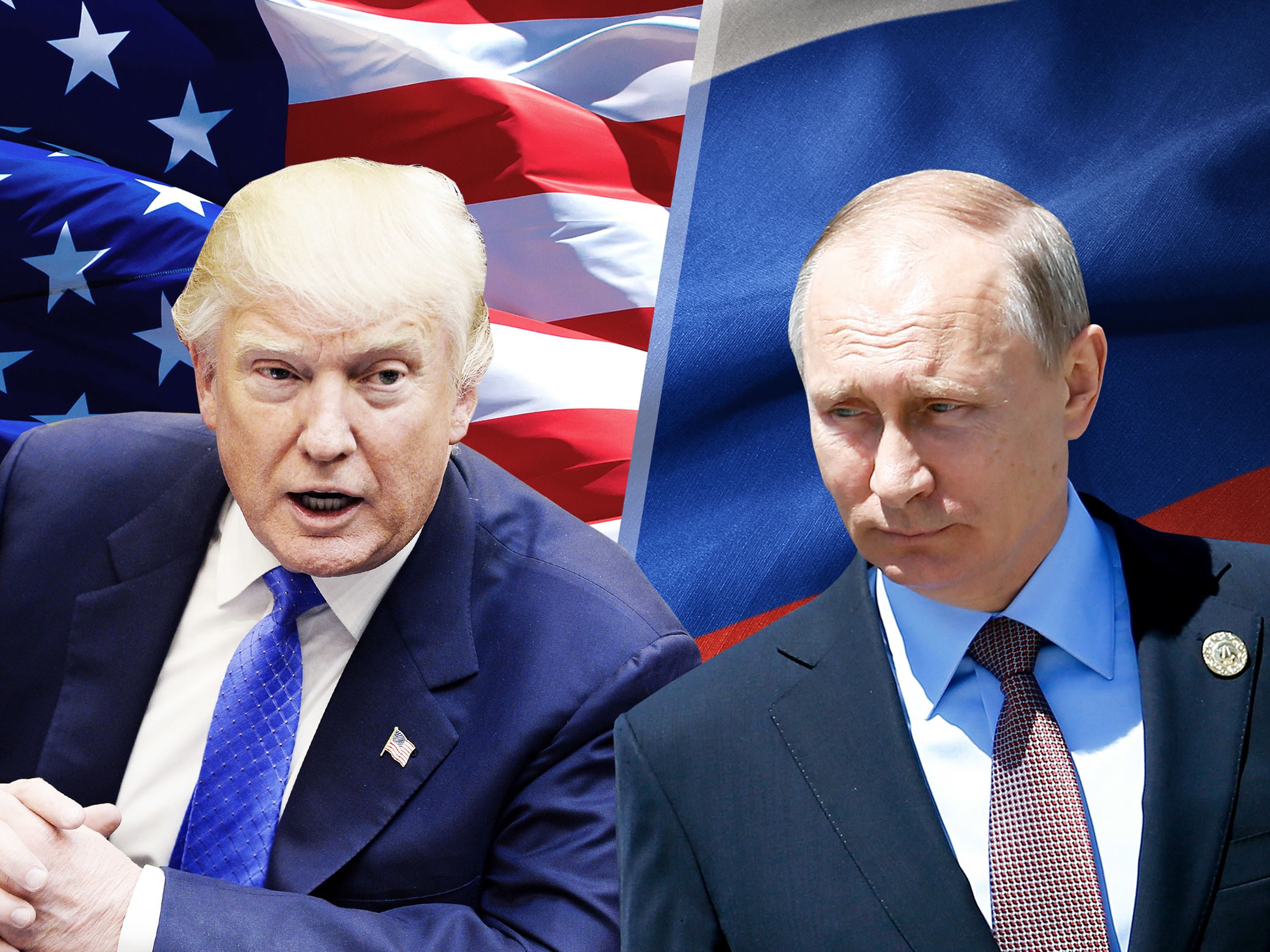
Russia is reportedly considering moving back into U.S. dollar settlement. And that's not a minor policy tweak — that's a structural shift, and it changes more than most people are talking about right now.
Let me walk through why.
Start with energy.
The U.S. is producing around 13.5 million barrels of oil a day — a record. Russia, even under sanctions, is still pumping about 9.1 million. Combined, that's over 22 million barrels a day of potential influence. If these two move from competing to cooperating, oil pricing power shifts fast. Less supply fear, less geopolitical risk baked into crude. Energy has been a major driver of inflation volatility since 2022, so stabilizing it has real downstream effects — on yields, on the dollar, on gold.
Same story with natural gas. Russia holds some of the largest reserves in the world, and a lot of LNG and pipeline investment got frozen after sanctions hit. If that reopens, Europe's energy math changes completely. Lower long-term gas prices, less panic pricing, more stability for industrial output — all of which matters for inflation expectations and broader risk sentiment.
But here's the part people aren't talking about enough: minerals.
Russia controls 44% of enriched uranium, 43% of palladium, 40% of industrial diamonds, 25% of titanium, and around 20% of vanadium. These aren't obscure commodities — they're inside semiconductors, aerospace systems, nuclear plants, defense equipment, and EV production. If U.S.-Russia cooperation opens up here, it reduces dependence on China for critical inputs. That's real supply chain leverage, not just symbolism. And dollar settlement is the pipe that makes all of it flow.
What about BRICS?
Russia spent years reducing dollar exposure — building alternatives, growing yuan trade, buying gold, cutting USD reserves. Russia-China trade hit $245B by 2024. But that also meant growing dependence on Beijing. Moving partially back into dollar settlement isn't BRICS failing — it's Russia wanting optionality. The dollar system is still the deepest liquidity pool in the world. That hasn't changed, and Russia knows it.
On the corporate side, Western companies lost over $110B exiting Russia after 2022. If energy fields, mining projects, and Arctic zones come back online, U.S. firms go back in — real capex, real infrastructure, real dollar-denominated contracts. That strengthens the dollar system at the transaction level, not just on paper.
One thing worth keeping in mind: Russia isn't coming to the table weak. Its reserves sit around $833B, with gold holdings above $400B. That's serious financial insulation. This isn't capitulation — it's calculated positioning.
So what actually shifts if this becomes real?
Energy volatility compresses. The dollar strengthens structurally. Gold loses some of its geopolitical premium. China loses partial leverage over Russia. And commodity trade re-anchors more firmly in USD. That's not a minor trade deal — that's one of the bigger economic realignments we've seen in decades.
It's still conditional. But if Russia returns to dollar settlement in a meaningful way, this stops being political news and starts being macro structure moving. Worth watching closely.